
Exploring the intersection of art and functionality in casino design and architecture
Exploring the intersection of art and functionality in casino design and architecture
The Role of Art in Casino Aesthetics
Art plays a pivotal role in the aesthetic appeal of casinos, creating an immersive environment that captivates guests. From grand chandeliers to intricate murals, the artistic elements in casino design are not just for decoration; they enhance the overall experience. This fusion of art and architecture is essential in shaping the mood and atmosphere, encouraging patrons to linger and enjoy their surroundings. Many visitors are often drawn to the diverse offerings provided by casino sites, enhancing their overall experience.
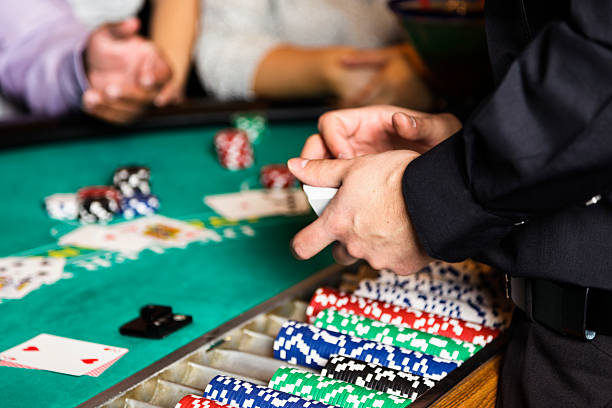
Moreover, the incorporation of local art reflects the culture and history of the area where the casino is located. This not only personalizes the space but also creates a connection between the casino and its community. By showcasing local artists, casinos can promote regional pride while providing a unique visual identity that distinguishes them from competitors.
Functionality in Design: A Key Consideration
While artistic expression is crucial, functionality remains at the heart of effective casino design. Casinos must balance aesthetic appeal with practical considerations such as flow, accessibility, and safety. The layout is designed to guide visitors through the space, ensuring they encounter gaming areas, dining options, and entertainment seamlessly. This strategic planning maximizes customer engagement and satisfaction.
Furthermore, functional design enhances the operational efficiency of the casino. For instance, strategically placed cashiers, security stations, and restrooms can significantly improve the guest experience by minimizing wait times and confusion. By marrying art and functionality, casinos can create a welcoming environment that invites guests to stay longer and explore.
Architectural Innovations Shaping Casinos
The architecture of modern casinos embraces innovative designs that challenge traditional concepts. From stunning glass facades to environmentally sustainable structures, the latest architectural trends emphasize not only beauty but also resilience and functionality. Architects are increasingly integrating technology into design, creating smart environments that enhance visitor experiences through lighting, sound, and interactive elements.
Additionally, architectural trends are increasingly responsive to the needs of the gaming industry. This includes creating flexible spaces that can host various events, from concerts to conferences, thereby diversifying revenue streams. Such adaptability ensures that casinos can maintain relevance in a fast-evolving market while still providing a luxurious and artistic atmosphere.
Regulatory Impact on Casino Design
Legal regulations play a significant role in shaping casino design and architecture. Compliance with safety codes, zoning laws, and gaming regulations can dictate various aspects of the building’s layout and functionality. This often involves collaboration between architects, designers, and regulatory agencies to create spaces that are not only beautiful but also adhere to strict guidelines.
The impact of these regulations extends beyond safety; they can also influence aesthetic choices. For instance, specific materials may be mandated to ensure durability and safety, which can steer the artistic direction of the design. Navigating these requirements while still striving for a striking visual identity presents a unique challenge for architects and designers in the casino industry.

Insights from the Gambling Industry
Understanding the intersection of art and functionality in casino design is vital for stakeholders in the gambling industry. The dynamic relationship between creativity and operational needs serves as a foundation for successful casinos that attract and retain visitors. Continuous innovation in design not only enhances guest experiences but also fosters economic growth within the gaming sector.
As trends evolve, staying informed about emerging designs, regulations, and industry insights is crucial. Engaging with informative platforms can help professionals navigate this complex landscape, ensuring that their designs resonate with both artistic values and functional necessities. By investing in education and awareness, stakeholders can contribute to a thriving future for casino design and architecture.